


The right approach, tailored to you. Never a prescribed method.
Every pupil learns differently. We use repertoire, established methods and material created for the individual to build a course of study around the person sitting at the piano.
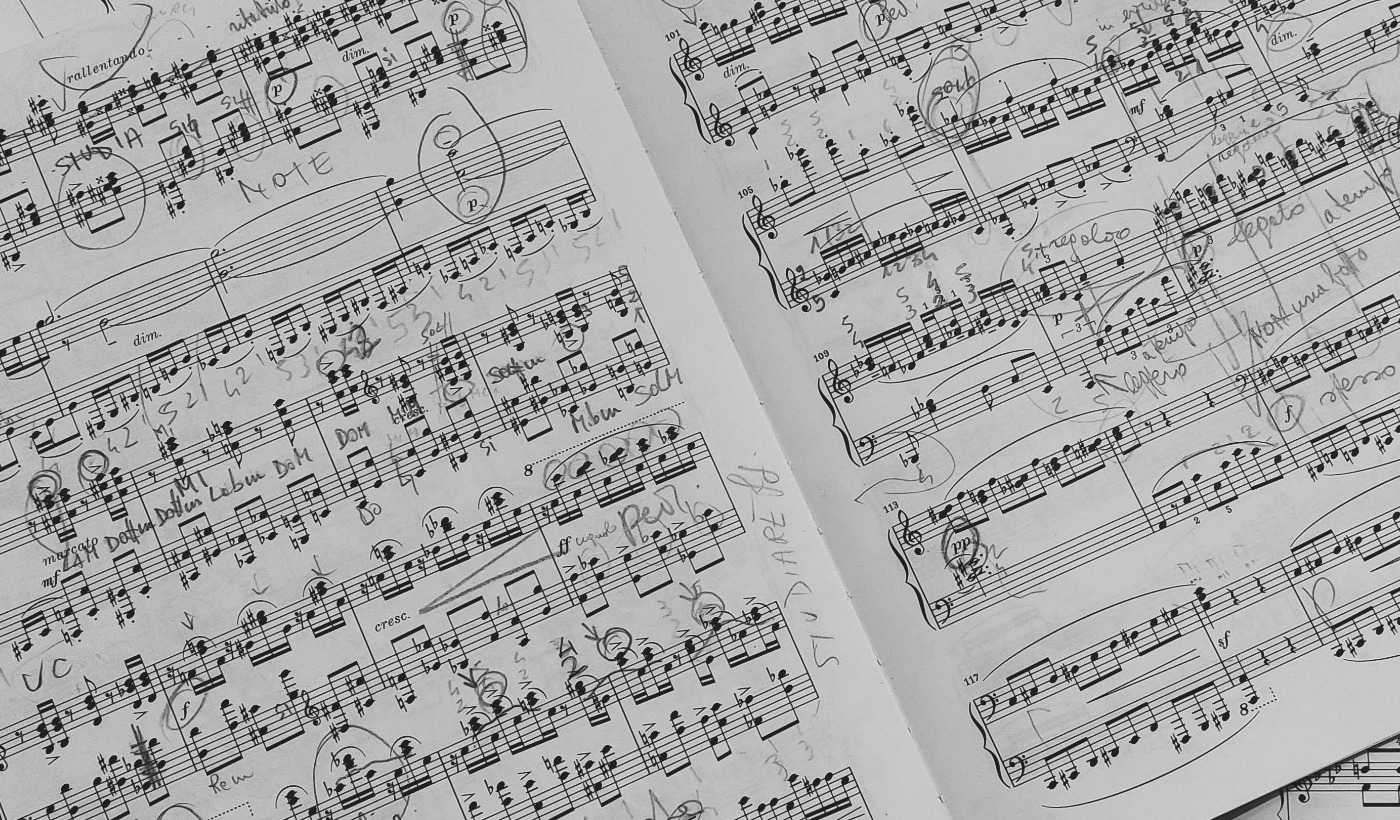
Learning through music.
For beginners, that may include Beyer, Bastien or another established method, always supplemented by material chosen or created for the pupil. Harmony, chords and intervals are introduced from the beginning so that reading music is not simply recognising notes, but understanding how the music is built.
Our staff can teach using either the A–B–C–D system or Do–Re–Mi (solfège), according to the pupil's preference, previous musical education or cultural background. Sight-reading can be developed with material from ABRSM, Trinity College London and other sources.
As the pupil progresses, repertoire is chosen for what it can teach and for the pleasure of playing it. This may lead through Bach, Kuhlau, Czerny, Mozart, Beethoven, Chopin, Bartók, Kabalevsky, Debussy and many others — but there is no fixed sequence.
If a pupil wants to play music outside the standard piano repertoire, we can also create tailored arrangements at the right level, including film, Bollywood and pop music.
Different ways in. One individual course of study.
The books and composers change with the pupil. These are examples of routes we may take, not a fixed syllabus. Custom-made material can sit alongside any of them.
Harmony, chords, intervals and sight-reading are taught alongside the repertoire, with ABRSM, Trinity College London and other material used where useful.
The route remains flexible: repertoire is chosen for what it can teach, how it feels under the hands and what makes the pupil want to keep playing.
The aim is not to simplify the musical idea away, but to preserve what you love about it while making the technical demands appropriate to your present level.
When something doesn't work, we simplify it.
A passage usually reveals itself as a problem because it stops flowing. Repeating the whole section again and again often rehearses the same difficulty.
Instead, the teacher identifies the precise fragment that is causing the problem and simplifies it into something manageable. It may be a few notes, one hand, a movement, a rhythm or a particular coordination between the hands.
Once that action is understood, it is repeated until it becomes comfortable and reliable, then gradually placed back into the surrounding passage. With time, the solution becomes automatic and attention can return fully to sound, phrasing and the music itself.
One passage. Four ways of looking at it.
The same passage, seen through four stages of practice. Each stage below uses the original working material from the lesson.
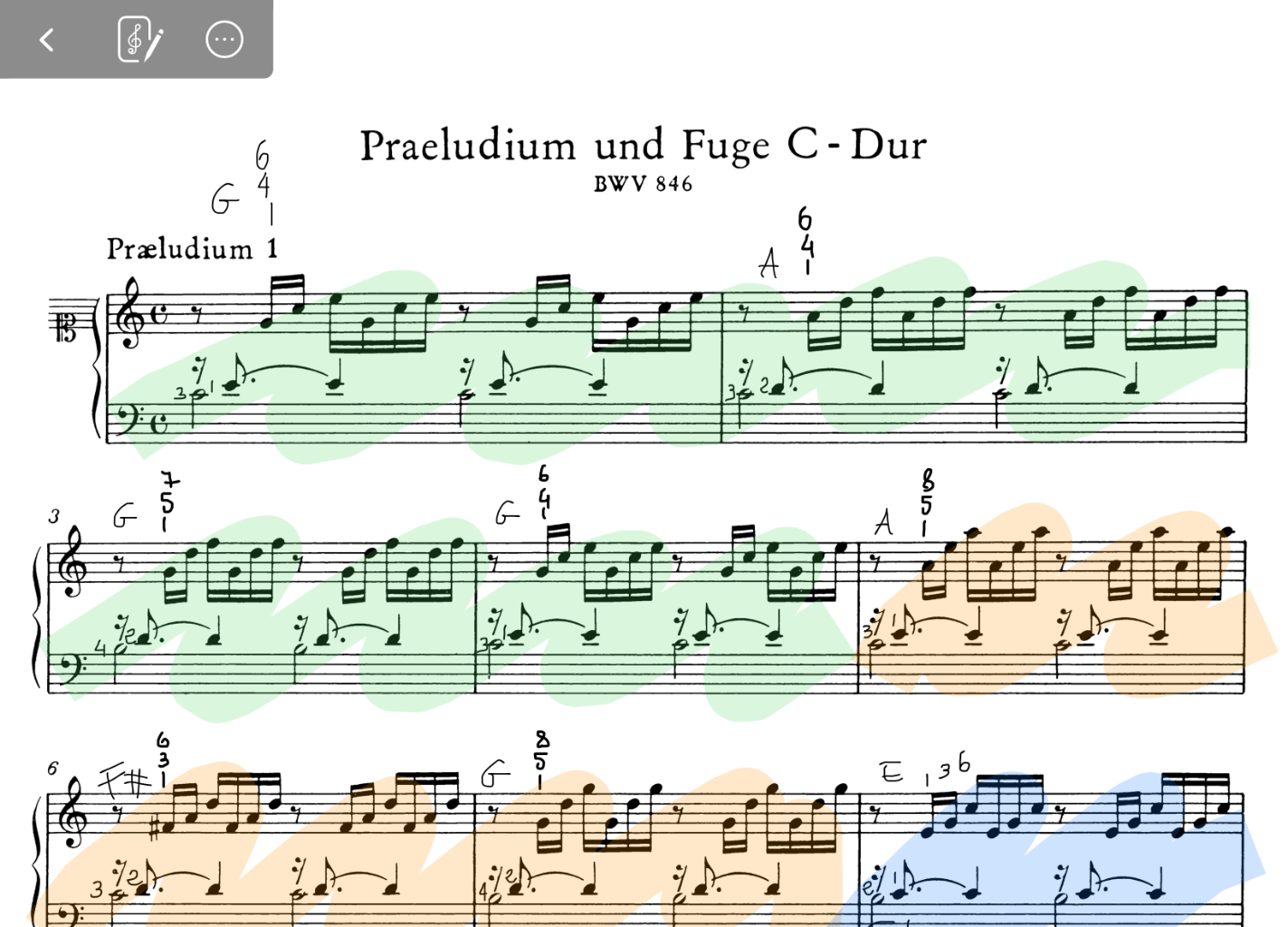
See what is happening before trying to repeat it.
The coloured working score shows the musical phrases, intervals are written with numbers. Understanding comes before repetition.
Start with one bar and reduce the information.
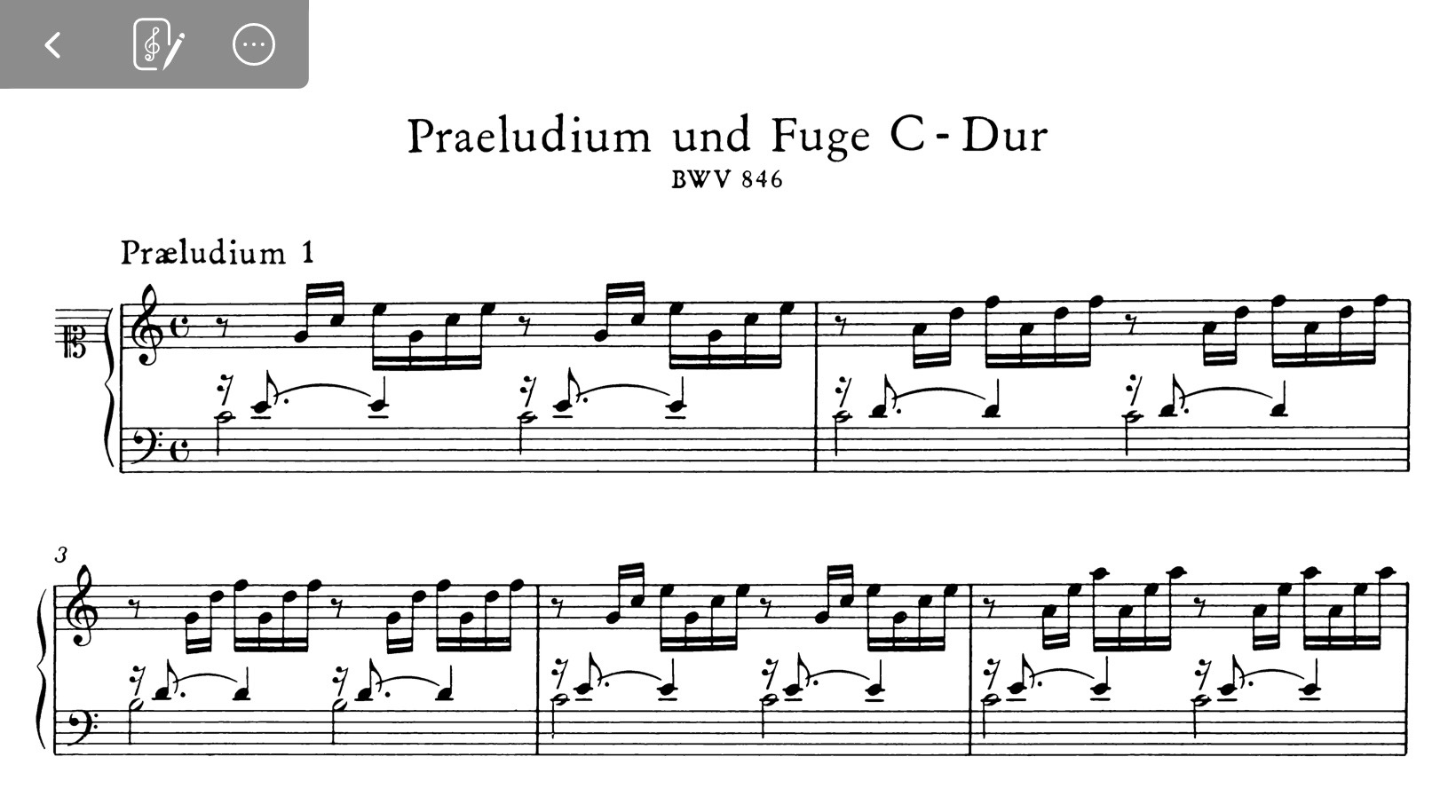
We focus on the first bar of the clean score. The first right-hand note is identified as G / Sol, then the intervals are recognised as 1 · 4 · 6. The passage becomes something concrete rather than a string of unrelated notes.
Apply the same work to what follows.
The same process is carried through the next four bars, exactly as in the working demonstration: identify, understand, then move forward one bar at a time.
Return to the clean score.
Put the solution back into the music. The full passage returns. Repetition now consolidates something that already works. With time the action becomes automatic, leaving attention free for phrasing, listening and performance.
The material changes. The principle does not.
Understand what the pupil needs, choose the right musical material, solve problems clearly and use repetition with a purpose. The aim is not simply to learn more pieces, but to give each pupil a way of learning that becomes increasingly independent.
The first lesson is a conversation at the piano: where you are, what you want to play, and what will help you move forward.
Get a Quote